Problem Gambling Awareness Month
2026 Promotional Toolkit
To facilitate your PGAM promotion efforts, we’ve compiled a toolkit with key resources: problem gambling FAQs, best practices for social media, a press release template and more.
This fact sheet on the basics of problem gambling can help new audiences gain a better understanding of what problem gambling is, its impact, and how to find support.
The PGAM screening guide was developed to encourage healthcare providers to screen clients for problem gambling. This guide provides the tools and resources to integrate the screening of Problem Gambling / Gambling Disorder into your agency’s current processes and protocols.
One of the easiest ways to support Problem Gambling Awareness Month is to use our ready-made social media posts. Download the graphics, copy the sample text, and share on the social platform you use most. Tag @MDCEPG and add #MDCEPG #PGAM2026 #MarylandProblemGambling.
March is Problem Gambling Awareness Month. A time to learn, listen, and talk openly about problem gambling and its impacts. Awareness helps ensure gambling-related harm isn’t minimized or overlooked. Learn more about this hidden addiction. #PGAM2026 #MDCEPG #ProblemGambling https://www.mdproblemgambling.com/pgam-2026/
Understanding fuels compassion. By raising awareness, we can reduce stigma, expand access to treatment, and support those impacted by gambling-related harm. #PGAM2026 https://www.mdproblemgambling.com/pgam-2026/
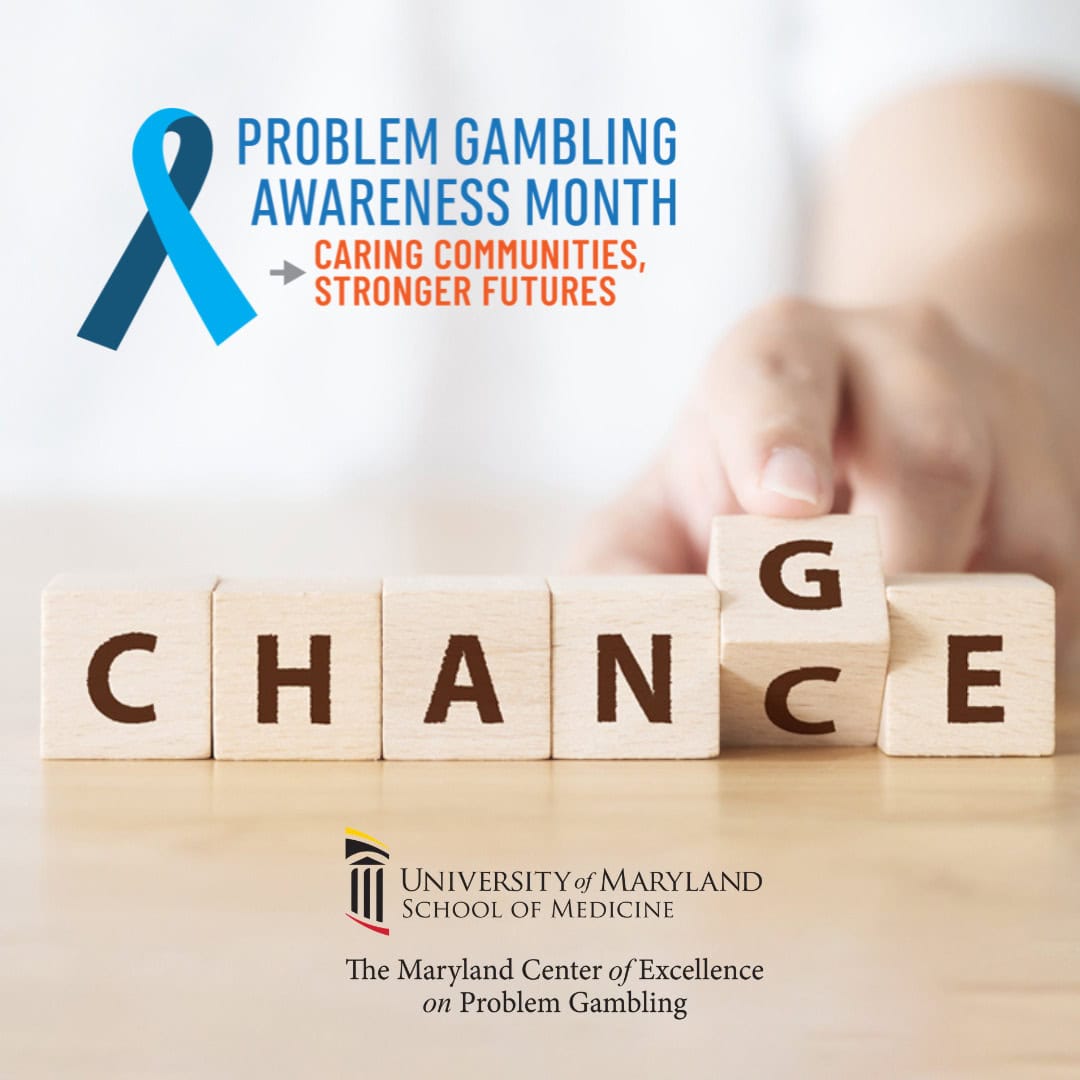
Gambling leaving your life to CHANCE? Help is available to make a CHANGE! #PGAM2025 Call 1-800-GAMBLER — free, confidential help 24/7 or visit: https://www.mdproblemgambling.com/pgam-2026/
Gambling-related harm shows up in different ways, at different moments, across our communities. That’s why stigma and assumptions get in the way of real support. Understanding the scope helps us respond with empathy instead of judgment. Awareness changes how we respond. How we respond shapes our communities’ future. Caring Communities, Stronger Futures #PGAM2026 https://www.mdproblemgambling.com/pgam-2026/
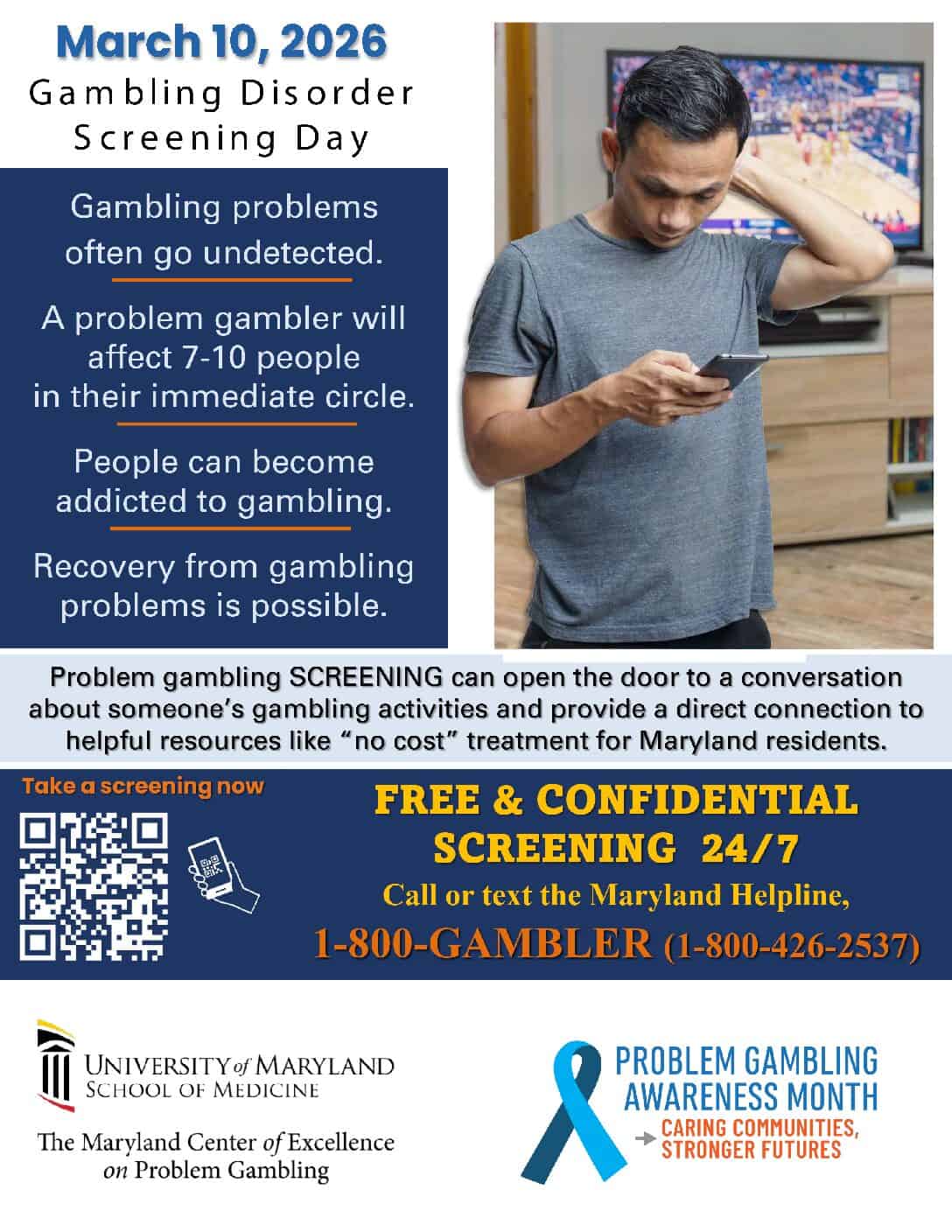
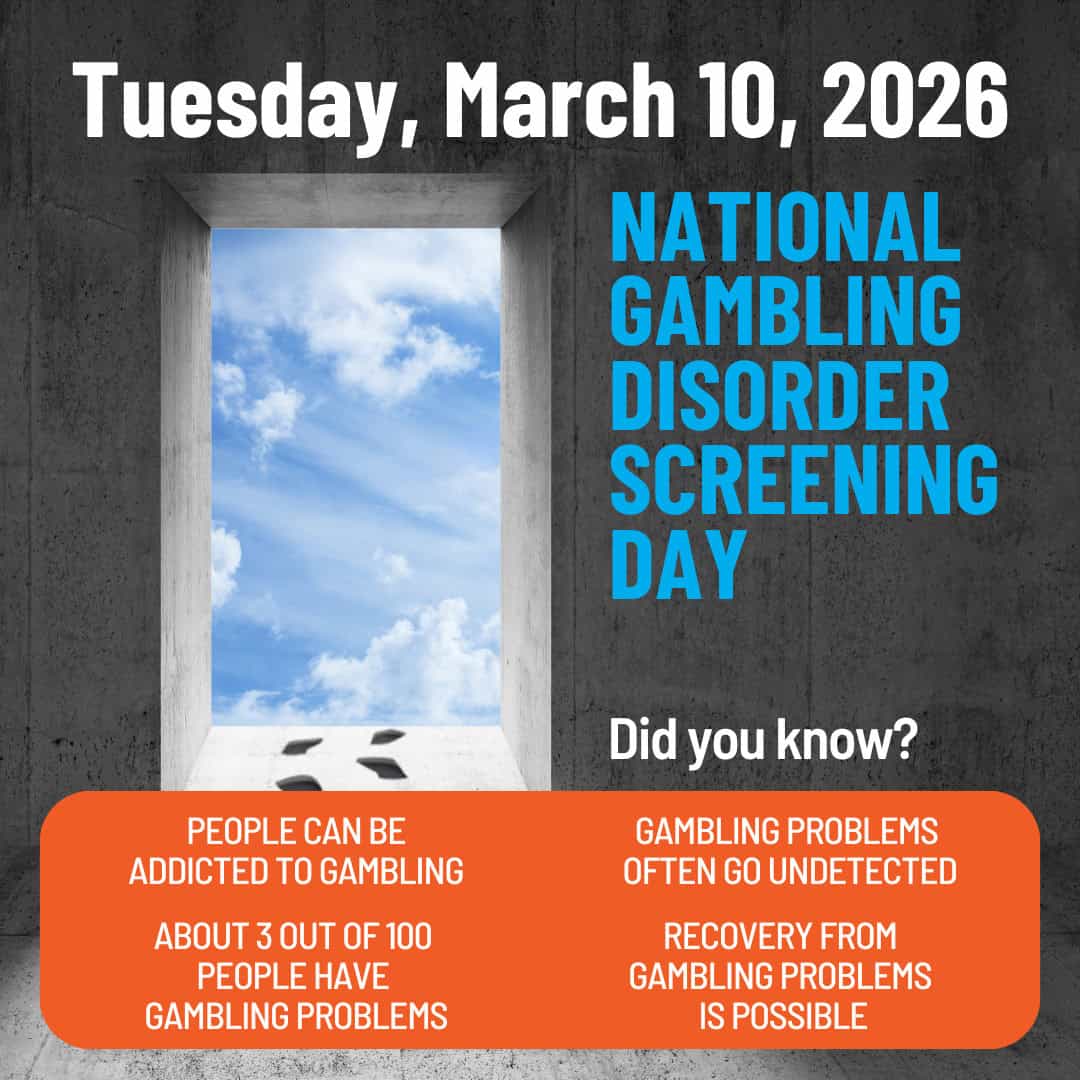
Today, March 10, 2026 is National Gambling Disorder Screening Day. Routine screening for problem gambling can make a meaningful impact — catching concerns early and strengthening treatment outcomes. This international awareness day encourages providers worldwide to screen for Gambling Disorder and connect clients with support. #PGAM2026
💙 Does your healthcare provider know where to find help? Explore tools and resources here: https://www.mdproblemgambling.com/public-awareness/toolkits/pgam/#screening
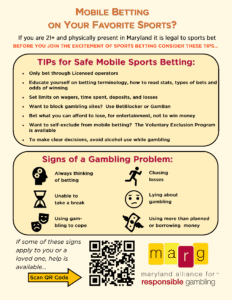
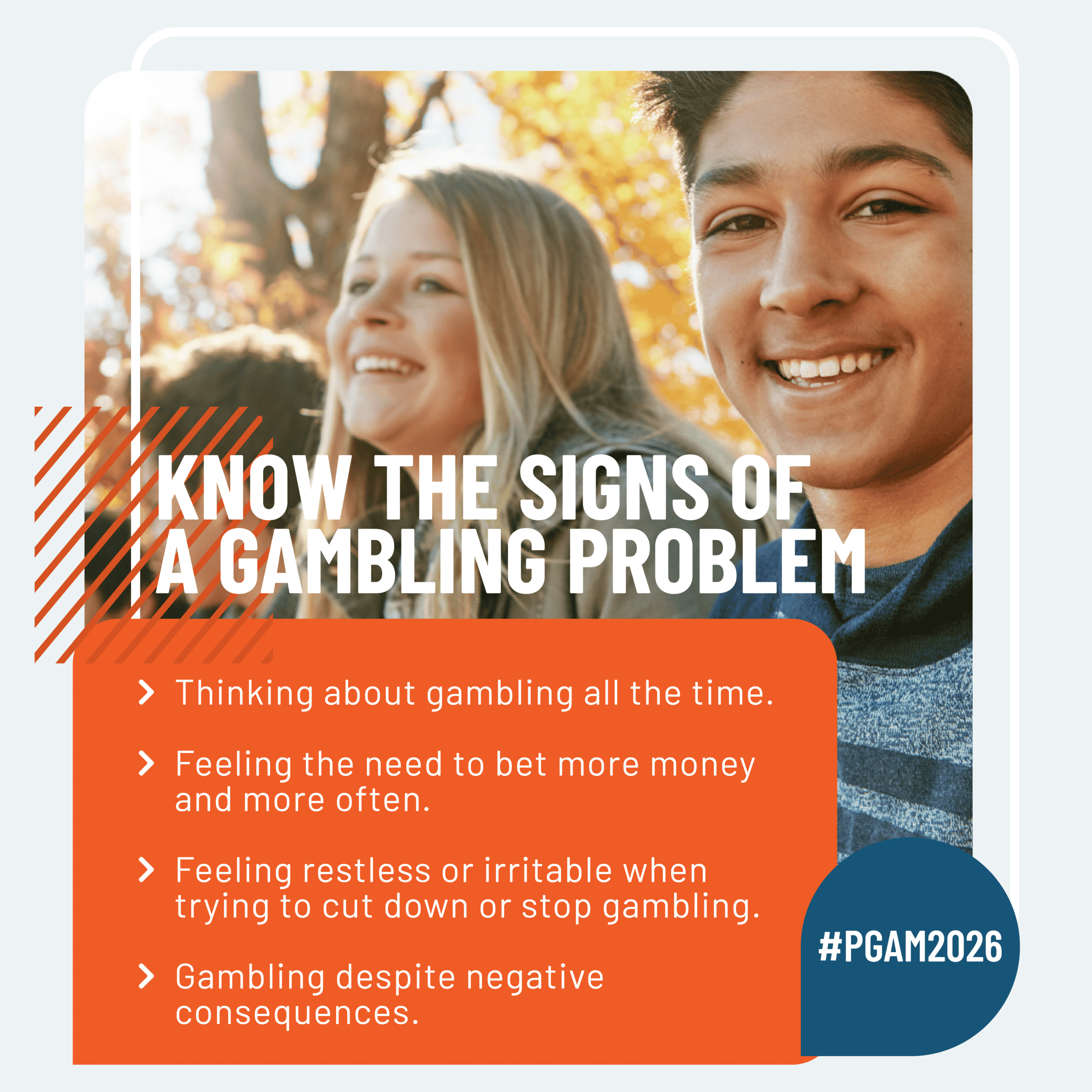
Know the Signs. Start the Conversation. Problem gambling can affect anyone — and recognizing the warning signs can make all the difference. ⚠️ Chasing losses ⚠️ Hiding gambling from loved ones ⚠️ Gambling to escape stress or emotions ⚠️ Borrowing money to keep playing ⚠️ Feeling unable to stop During Problem Gambling Awareness Month, take a moment to learn the signs and share resources that can change lives. #PGAM2026
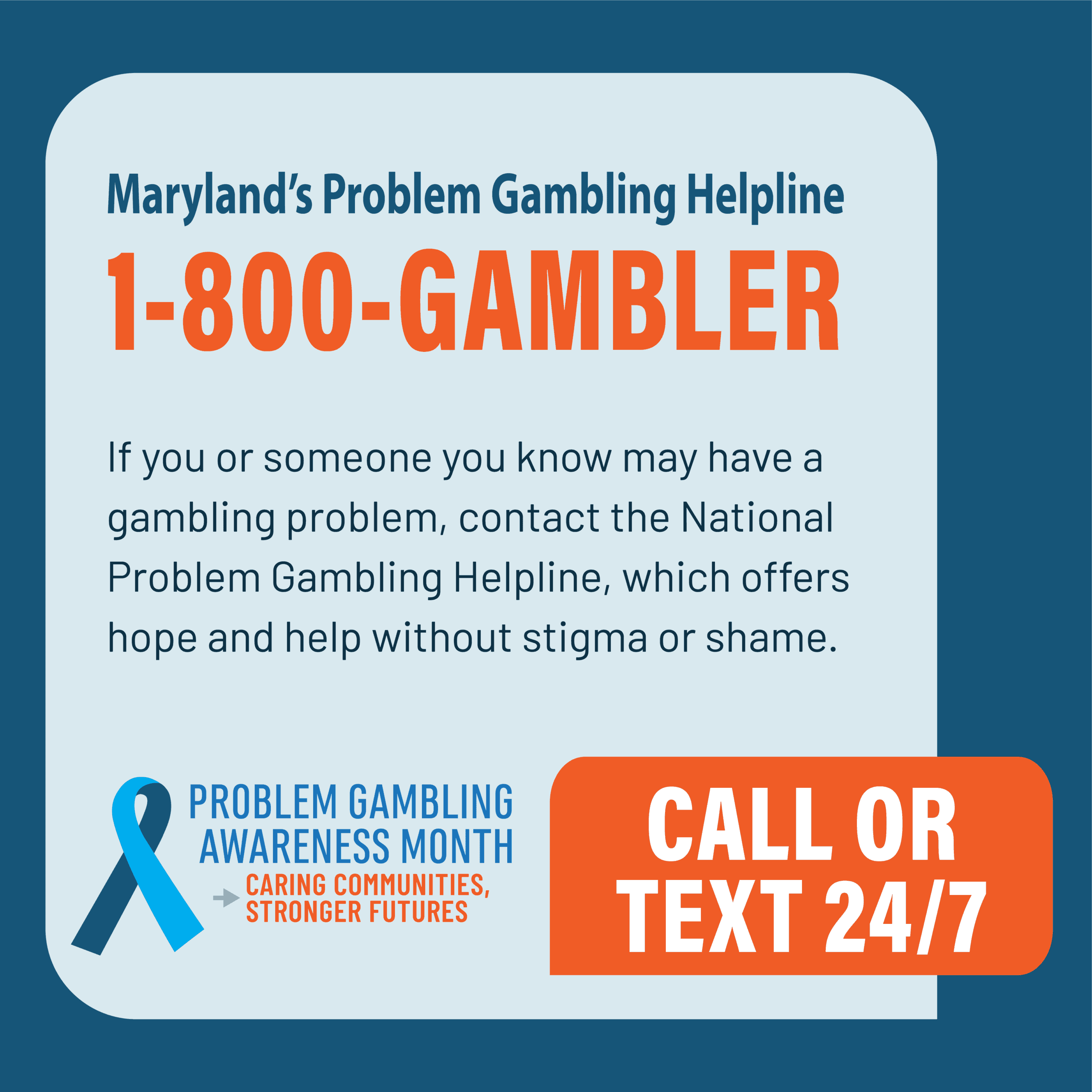
Call or text 1-800-GAMBLER https://www.mdproblemgambling.com/pgam-2026/
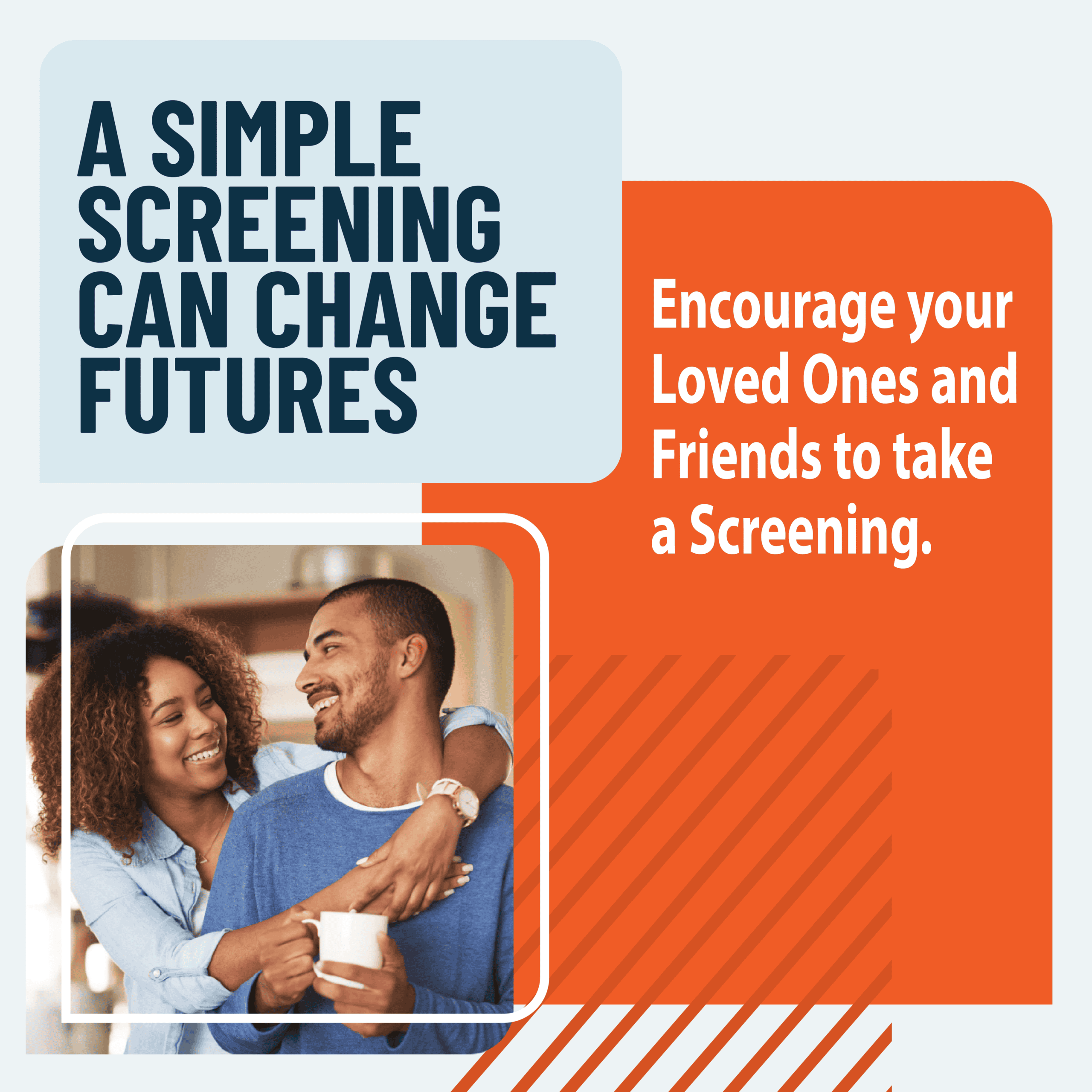
As part of #PGAM2026, we’re honoring Problem Gambling Disorder Screening Day, not only on March 10th, but all month long. Encourage the people you work with or your loved ones to take a screening. https://www.mdproblemgambling.com/self-evaluation/
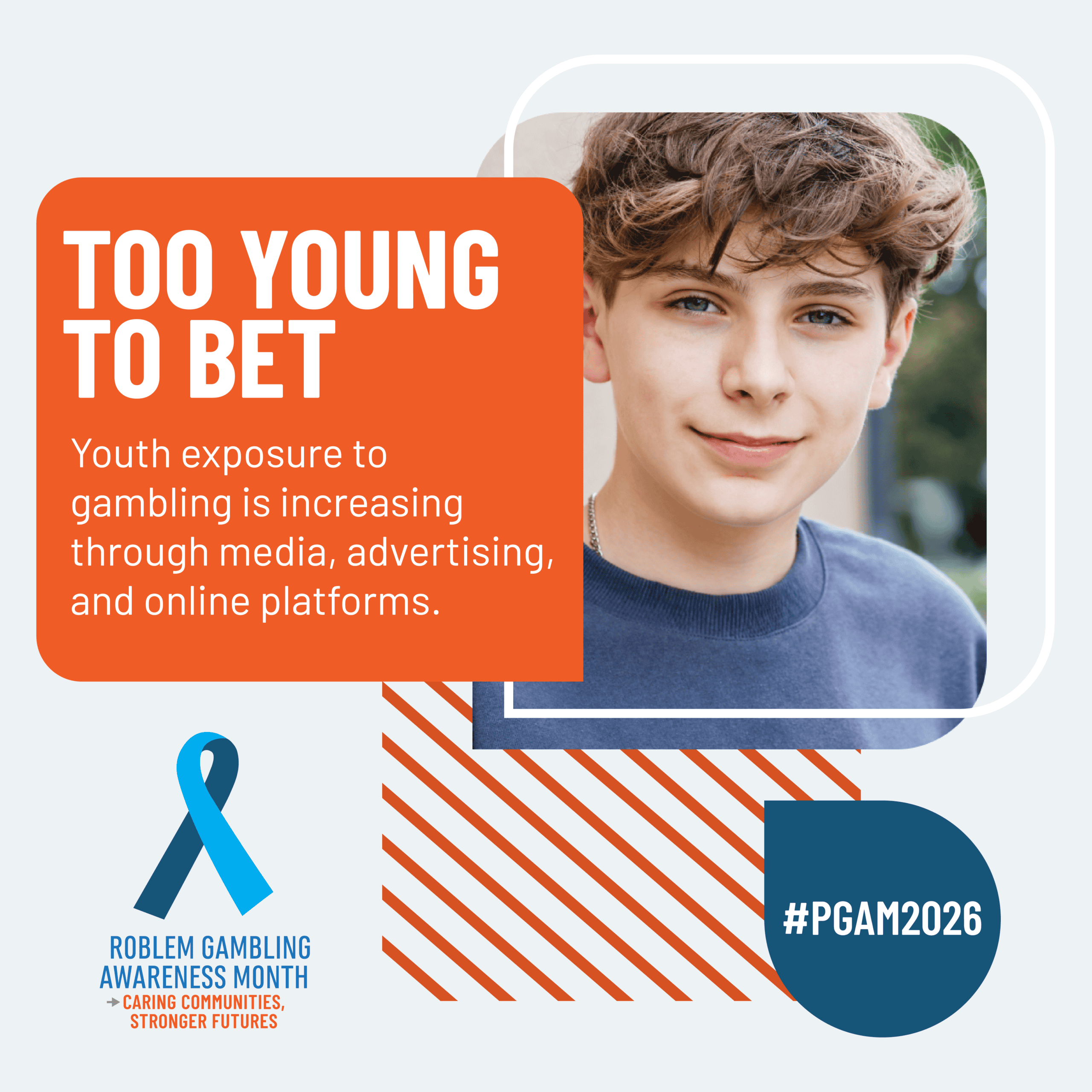
Youth exposure to gambling is increasing through media, advertising, and online platforms. Problem Gambling Awareness Month is a time to raise awareness and educate families and communities about the risks of youth gambling.
Parents, educators, coaches, and caregivers can all play a role in preventing youth gambling. Awareness opens the door to honest conversations that can make a lasting difference. #PGAM2026 https://www.mdproblemgambling.com/pgam-2026/
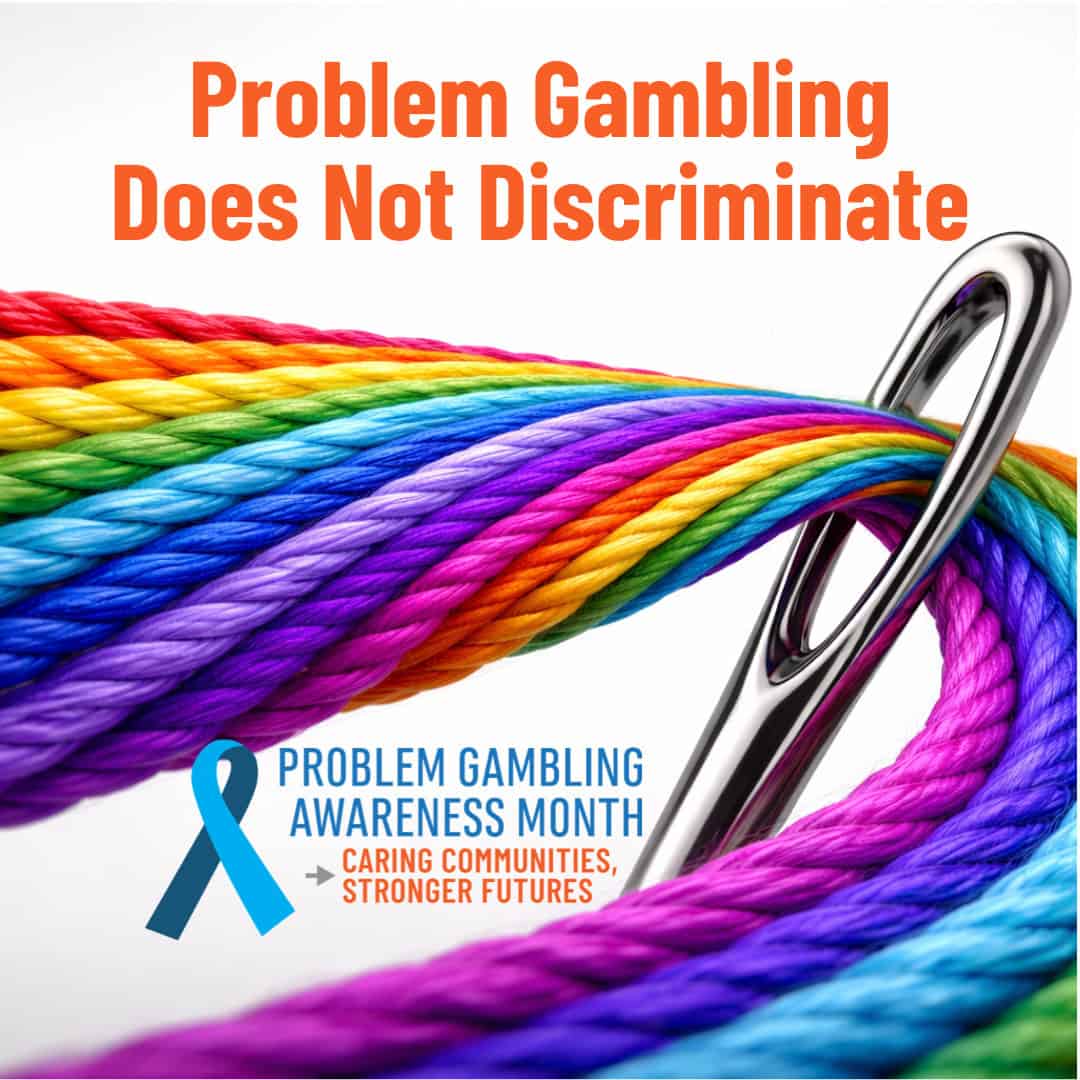
Problem Gambling affects people of any age, gender, religion, social status, or education. #PGAM2026 #MDCEPG https://www.mdproblemgambling.com/pgam-2026/
Stigma fuels silence. Awareness builds understanding. This Problem Gambling Awareness Month, help break the silence: learn, share, and show support. #PGAM2026
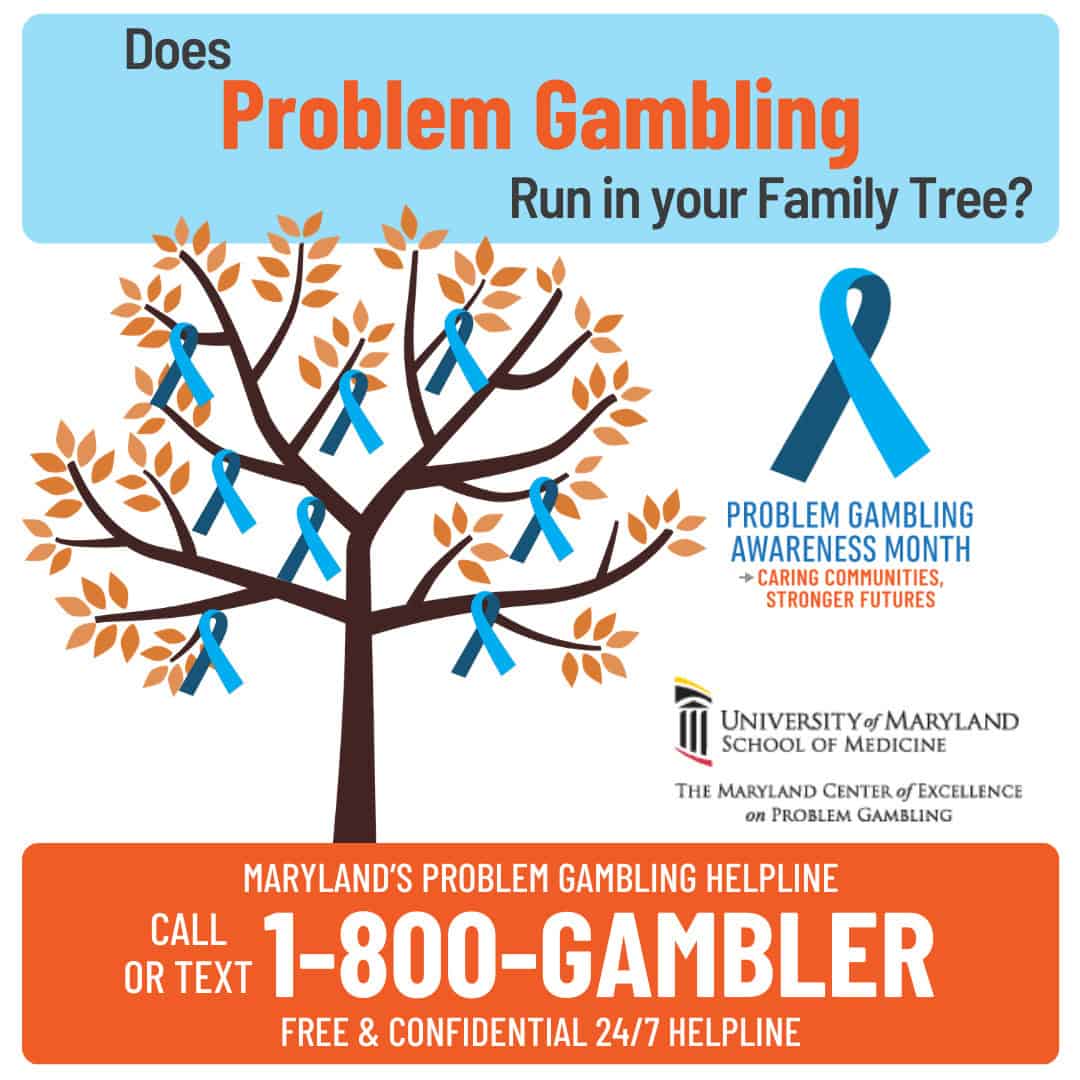
Does Problem Gambling Run in Your Family? This month is a great time to pause and reflect on how gambling behaviors impact our lives and the people we love. While anyone can develop a gambling problem, gambling issues can be more common in families—meaning having a family history of problem gambling can increase risk.
👉 Problem gambling isn’t about willpower—it’s a behavioral health issue that can affect relationships, finances, and wellbeing. 👉 If you’re concerned about yourself or someone you care about, you’re not alone. There are tools, support services, and trained professionals ready to help. #PGAM2026
Call or text 1‑800‑GAMBLER (1‑800‑426‑2537) for free, confidential support. https://www.mdproblemgambling.com/pgam-2026/
Understanding begins with listening. Take time to learn about problem gambling and its impacts — and help build a more supportive community. #PGAM2026 #ProblemGamblingAwareness #MentalHealthMatters #1‑800‑GAMBLER
Call or text 1‑800‑GAMBLER (1‑800‑426‑2537) for free, confidential support. https://www.mdproblemgambling.com/pgam-2026/
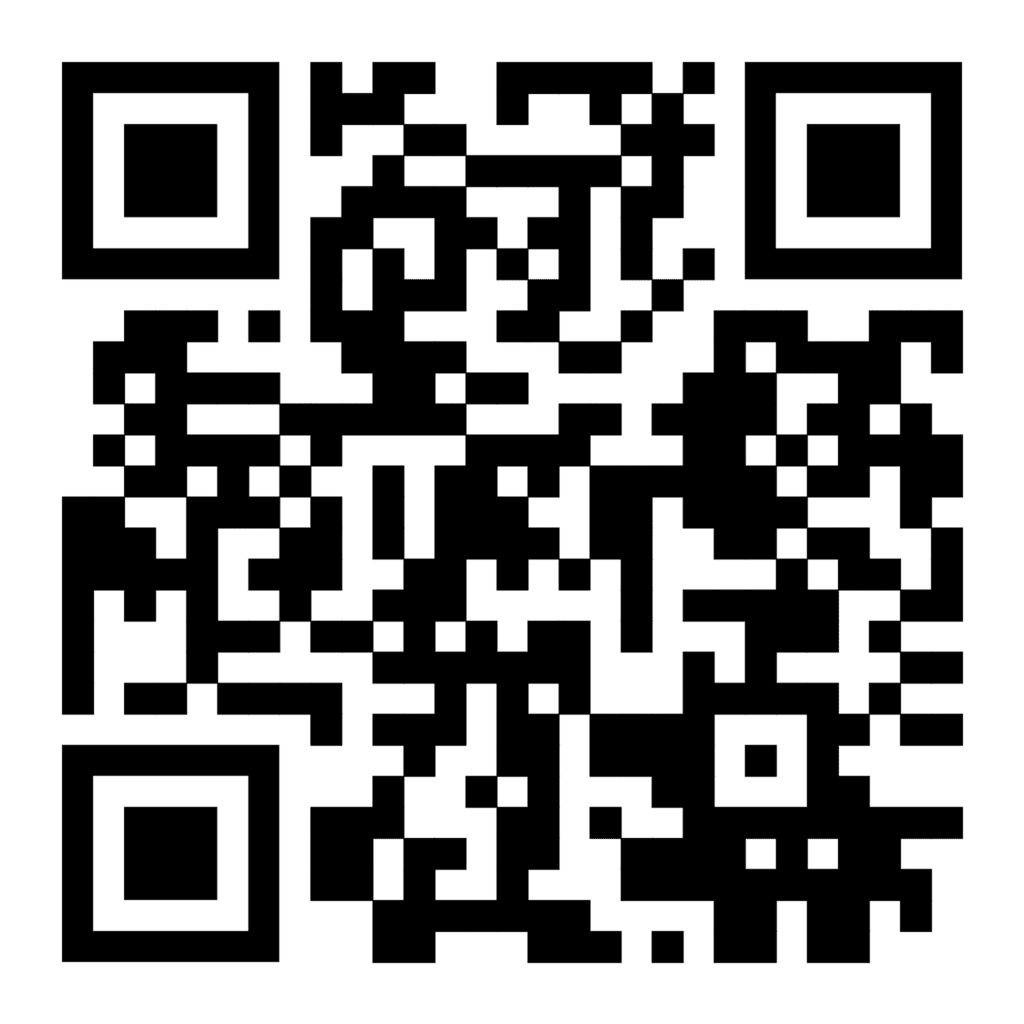
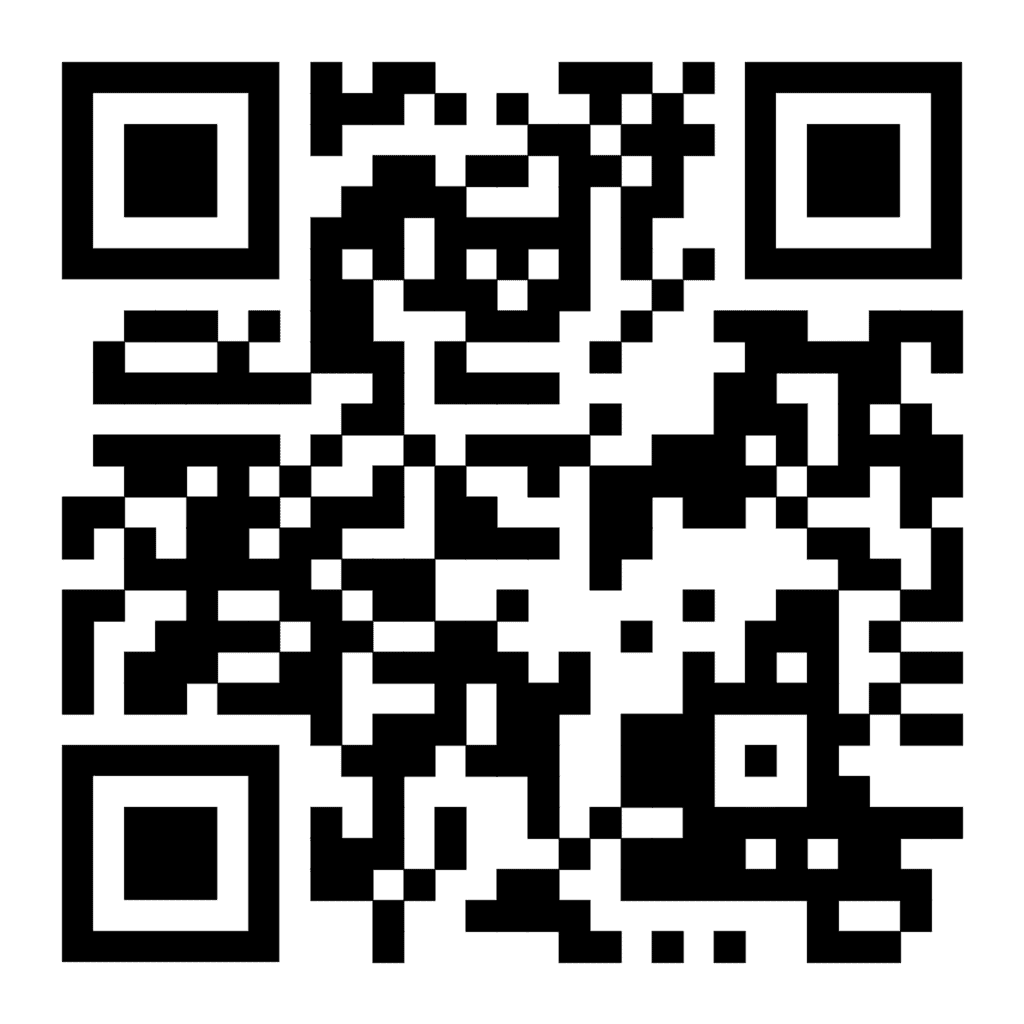
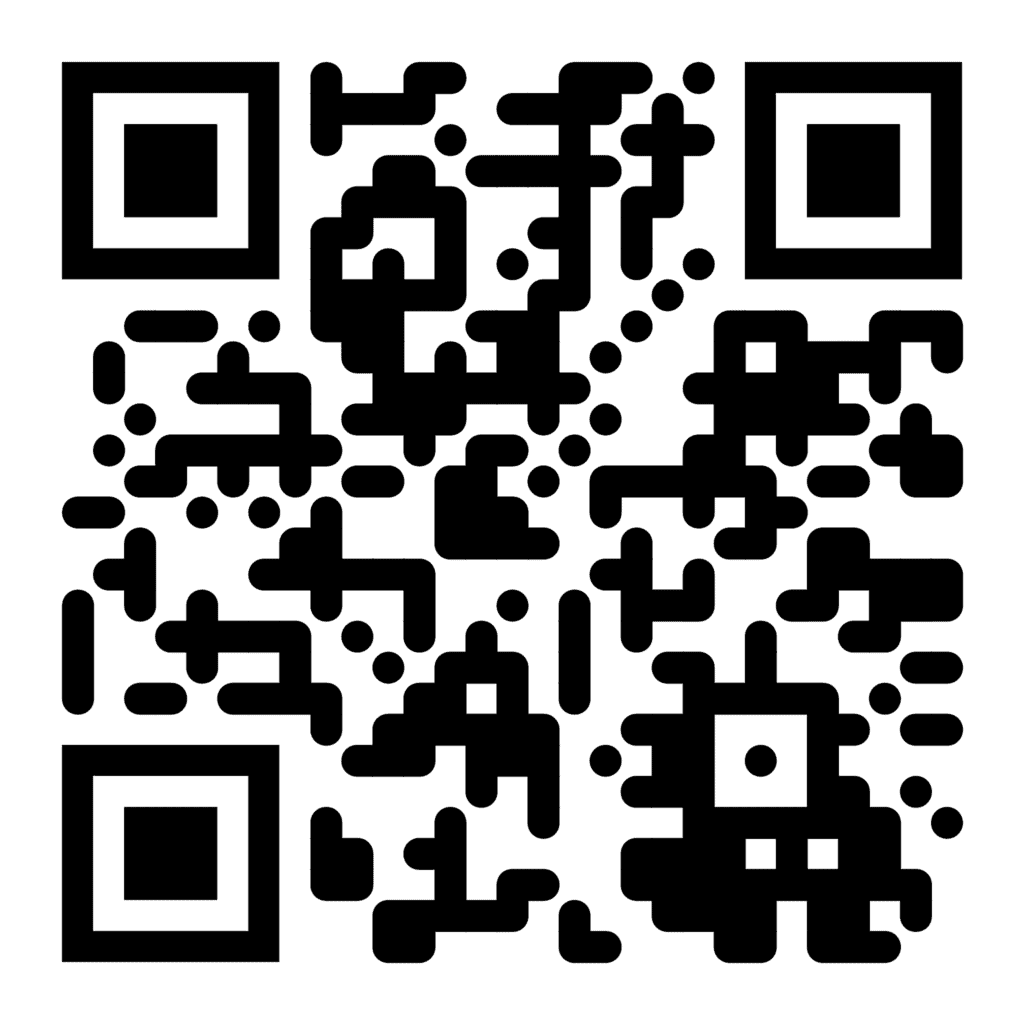
A QR Code, or Quick Response Code is a grid of black and white squares or pixels that store data for a cell phone to read. They can contain a variety of information, including site addresses, content, event details, etc. The Center uses QR codes to make it as easy as possible for help seekers and professionals to get the information they need to become better informed. You can incorporate them into your emails, social media posts, flyers and/or websites. Please incorporate QR codes if you would like to point folks to any of the following:
The Center’s general information site for public, community service, health, and treatment organizations, as well as Trainings for treatment professionals, resources and research on gambling.
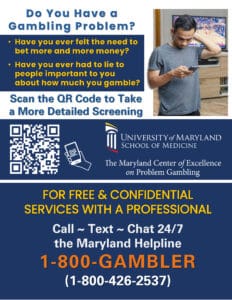
Please refer anyone to this page to take a problem gambling self-screening tool. This is a screening instrument that can help a person identify the severity of their gambling.